🧠 Overview
Chronic stress disrupts the immune and neuroendocrine systems, contributing to inflammation, cognitive decline, cancer progression, and other diseases. Mind–Body Interventions (MBIs) such as Mindfulness-Based Stress Reduction (MBSR), Tai Chi, Qigong, and Yoga are proven to counteract these effects.
📘 This guide provides practical, evidence-based steps to improve physical and mental health through MBIs.
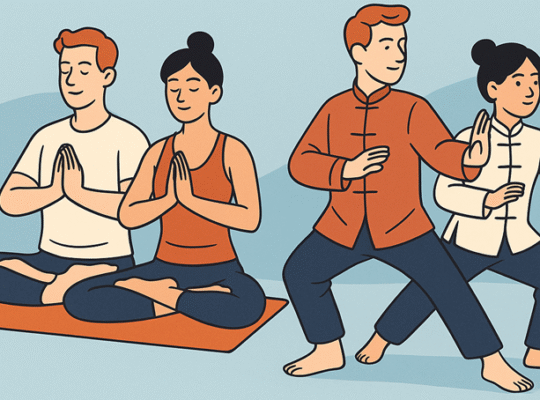
1️⃣ What Are Mind–Body Interventions (MBIs)? 🧘♂️
MBIs are practices that combine mental focus with movement or stillness to help regulate stress, emotions, and body functions.
💡 Core practices include:
- 🧘♀️ Mindfulness-Based Stress Reduction (MBSR)
- 🥋 Tai Chi
- 🌀 Qigong
- 🧎 Yoga
- 🌬️ Meditation and breathing techniques
📊 These practices help balance your immune, nervous, and hormonal systems.
2️⃣ Spotlight: Mindfulness-Based Stress Reduction (MBSR) 🧘
📅 8-week structured program includes:
- 🧠 Formal meditation (e.g., body scan, breathing awareness)
- 🧎♀️ Gentle yoga
- 📚 Stress education
- 🗣️ Group discussions
📆 Typical Schedule:
| 📌 Component | ⏱️ Duration |
| Weekly session | 2.5 hours |
| Home practice | 45 min/day |
| Day-long retreat | Week 6 or 7 |
Includes: sitting meditation, walking meditation, mindful eating, and yoga.
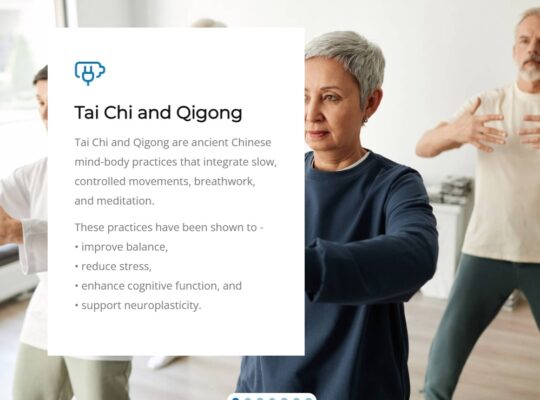
3️⃣ Deep Dive: Tai Chi and Qigong 🥋🌿
🌀 What are they?
- Qigong: Repetitive, meditative movements to cultivate energy
- Tai Chi: Structured sequences blending strength and flexibility
📈 Both improve movement, breath control, and focus.
🧪 Health Benefits (from studies)
| 💪 Function | 🌟 Effect |
| Immune support | ↓ IL-6, TNF-α, ↑ IL-10, IFN-γ |
| Stress hormone balance | ↓ cortisol, ↑ BDNF |
| Inflammation reduction | Especially helpful in cancer and brain conditions |
| Brain health | Supports memory and Parkinson’s care |
| Stress relief | Reduces both saliva and blood cortisol |
🧭 How to Practice Tai Chi or Qigong
| 🧩 Element | 📌 Details |
| Duration | 8–16 weeks, 2–3 sessions/week, 30–60 min |
| Movements | Flowing forms like “Grasp Sparrow’s Tail” |
| Breathing | Deep and slow, coordinated with movement |
| Mental focus | Calm attention to body and breath |
| Environment | Quiet space; group classes are motivating |
🔰 Sample Beginner Qigong Session (30 minutes)
- 🌬️ Opening breath and intention – 5 mins
- 🌀 Eight Brocades – 15 mins
- “Two Hands Hold up the Heavens,” “Separating Heaven and Earth”
- 🧍♂️ Standing meditation (Zhan Zhuang) – 5 mins
- 🙏 Closing breathwork and gratitude – 5 mins
4️⃣ Matching MBIs to Health Goals 🎯
| 🩺 Condition | 💡 Best-Suited MBIs |
| Chronic inflammation | Yoga, MBSR, Tai Chi |
| Cancer recovery | Yoga, Qigong |
| Cognitive issues | Tai Chi, Qigong |
| Anxiety and stress | MBSR, Qigong, Meditation |
| Autoimmune diseases | Yoga, Qigong |
✨ Qigong is especially powerful for inflammation and brain health.
5️⃣ How to Measure Your Progress 📏
📝 Track how you feel:
- Mood journals
- Stress scales
🧪 (If available):
- Blood tests for inflammation
- Saliva or hair tests for stress hormone (cortisol)
- Tests for brain-supporting proteins (like BDNF)
6️⃣ How to Start Using MBIs 🛠️
👤 For Individuals:
- Start with gentle Qigong or Tai Chi, 2–3 times/week
- Try videos or join a community class
- Add a few minutes of meditation each day
🏥 For Health Professionals:
- Recommend MBIs for stress, inflammation, cognitive concerns
- Combine with rehab or wellness programs
- Track changes in symptoms and health over 8–12 weeks
🧩 Final Thoughts
Tai Chi and Qigong are simple, effective ways to support your health. When combined with MBSR, they help lower stress, reduce inflammation, and improve brain and immune function.
🕒 Just 20 minutes of mindful movement, 3–5 days a week, can make a big difference.