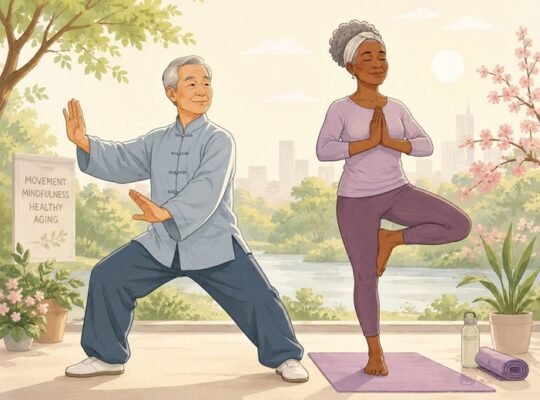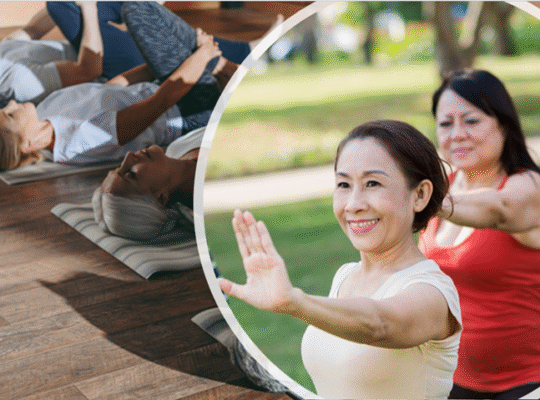
Health is more than the absence of diseases, and Tai Chi can play an important role in helping us stay well — this was one of the key messages shared at the 2026 Science of Tai Chi & Qigong as Whole Person Health Conference, held at Harvard Medical School from April 30 to May 1.
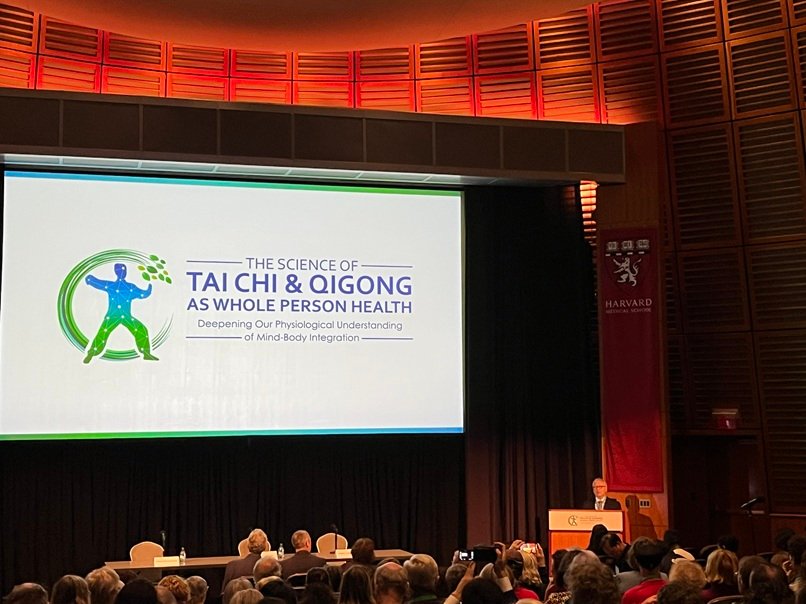
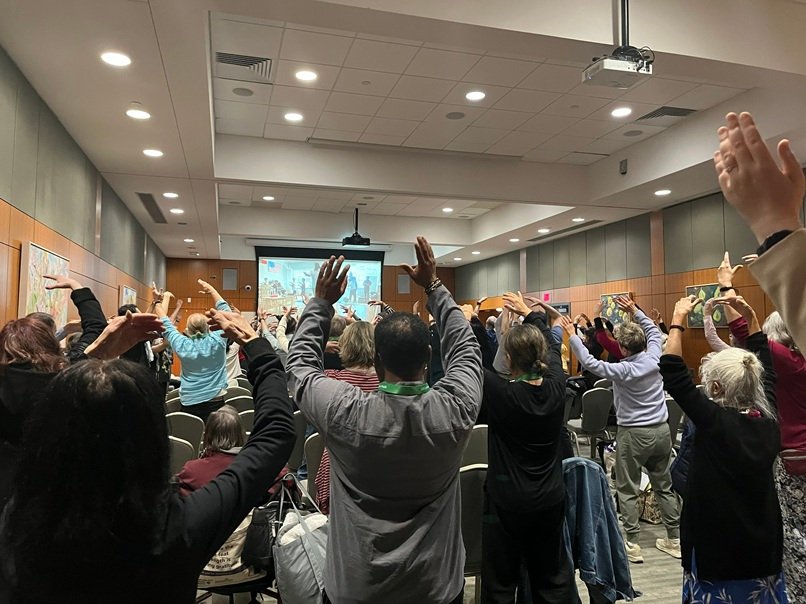
The Conference addressed a growing challenge in modern healthcare: how to help people not only live longer, but also stay healthier and function better during those extra years.
One presentation at the Conference, by Dr. Julia Loewenthal and Dr. Ariela Orkaby from Harvard Medical School, highlighted an important trend: over the past century, lifespan has increased faster than health span. As a result, many people are living longer while also spending more years dealing with pain, reduced mobility, or chronic illness.
This raises an important question: how do we not only live longer, but also live better?
Dr. Loewenthal and Dr. Orkaby also reviewed emerging evidence on movement-based mind-body practices such as Tai Chi, Qigong, and yoga, noting these practices are “uniquely multimodal, integrating physical, cognitive, and psychosocial components that target multiple hallmarks of aging simultaneously.”
Another presentation, by Dr. Wayne Jonas from Georgetown University, noted that medical care accounts for only about 20% of what shapes health outcomes. The other 80% comes from factors outside the doctor’s office, including movement, stress, sleep, nutrition, relationships, and daily habits.
Tai Chi supports many of these everyday health drivers by encouraging regular movement, reducing stress, improving body awareness, and helping people build healthier routines.
As Dr. Peter Wayne, the organizer of the Conference, reminded attendees through a quote from Abraham Lincoln –
“It’s not the years in your life that count. It’s the life in your years.”