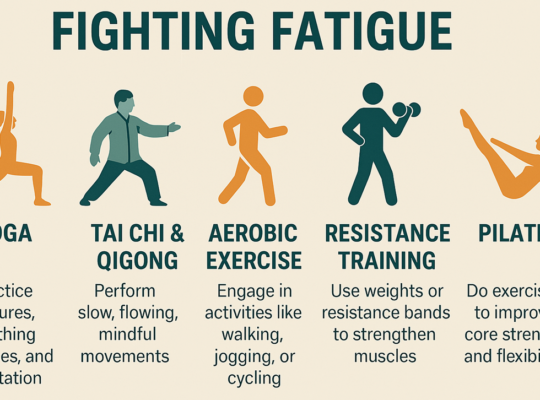
Cancer-related fatigue (CRF) is a common and challenging symptom during cancer treatment and supportive care. It goes beyond ordinary tiredness and can affect physical energy, mood, and mental clarity.
Mind-body practices—such as Tai Chi, Qigong, yoga, and mindfulness—are increasingly recognized for their ability to ease fatigue and improve overall well-being. Research from recent years supports these approaches as practical, adaptable options within supportive care.

1. Understanding Cancer-Related Fatigue
Cancer-related fatigue is characterized by:
- Persistent physical and mental exhaustion
- Limited improvement despite sleep or rest
- Reduced concentration or “brain fog”
- Emotional heaviness or reduced motivation
- A general sense of being depleted
CRF may arise from the cancer itself, medical treatments, inflammation, sleep disruption, emotional stress, or the overall strain of managing a serious illness.
Clinical guidelines emphasize that CRF is real, multifactorial, and responsive to well-designed non-pharmacological interventions.
2. Mind-Body Therapies: A Central Component of Holistic Supportive Care
Current evidence consistently highlights mind-body practices as core strategies for relieving cancer-related fatigue. These methods help regulate the nervous system, reduce stress, support physical mobility, and promote emotional balance—factors that collectively influence energy levels.
Below are the key practices with the strongest research base.
Tai Chi & Qigong: Gentle Movement With Systemic Benefits
Tai Chi and Qigong are slow, flowing movement practices that integrate breath, posture, and mindful awareness. They are suitable for individuals with varying levels of stamina and mobility.
Documented Benefits
- Supports regulation of inflammatory and immune responses
- Improves balance, circulation, and musculoskeletal function
- Calms stress responses and promotes emotional stability
- Encourages smoother, more efficient breathing patterns
Research Highlights
- Qigong has been shown to significantly reduce fatigue compared with usual care.
- In some studies, Qigong demonstrated greater fatigue relief than conventional exercise programs, particularly for individuals with higher baseline fatigue levels.
- Tai Chi and Qigong are recommended by multiple clinical guidelines as safe, effective, and adaptable movement practices for people undergoing cancer treatment or receiving supportive care.
Yoga: Integration of Movement, Breath, and Mindfulness
Yoga blends stretching, controlled breathing, and mindful awareness. It can be practiced in forms ranging from gentle and restorative to more active, depending on individual needs and capacities.
Benefits Supported by Research
- Reduction in physical and psychological components of fatigue
- Decreased muscle tension and improved flexibility
- Enhanced sleep quality
- Support for emotional well-being
Studies demonstrate that yoga practiced consistently during or after cancer treatment can lead to significant improvements in fatigue, with breast cancer survivors showing particularly strong responses.
Mindfulness & Meditation: Calming the Stress-Fatigue Cycle
Mindfulness practices, including meditation, breathwork, and body awareness, contribute to the regulation of stress and emotional balance—two domains closely linked to fatigue.
Key Outcomes
- Reduction in stress and anxiety
- Improvement in mood and emotional resilience
- Decrease in inflammatory markers associated with CRF
- Enhanced attention and clarity
Mindfulness-based programs such as MBSR (Mindfulness-Based Stress Reduction) have shown long-lasting benefits, with effects on fatigue persisting months after program completion.
3. Complementary Holistic Approaches That Enhance Fatigue Relief
Mind-body movement forms a strong foundation for fatigue management, but additional supportive therapies can create a more comprehensive approach.
Acupuncture & Acupressure
- Demonstrated reductions in fatigue in multiple studies
- Benefits include improved sleep, reduced stress, and enhanced energy regulation
- Acupressure offers a non-invasive option that can be self-applied after training
Massage Therapy
- Oncology-trained massage therapists can help relieve physical tension
- Massage may support emotional comfort and relaxation, indirectly reducing fatigue
Creative Arts Therapies
- Art and music therapy provide emotional expression and stress relief
- These modalities can reduce mental fatigue and improve overall well-being
4. The Role of Medication in Supportive Care
While mind-body and lifestyle-based methods are considered first-line strategies, medications may be used when fatigue is severe or persistent.
Common options include:
- Short-term corticosteroids, which may provide temporary energy improvement
- Psychostimulants, such as methylphenidate, for selected individuals
Other medications studied have shown limited benefit, reinforcing the emphasis on holistic and non-pharmacological approaches as foundational.
5. A Sample Holistic Framework for Fatigue Management
Supportive care programs often incorporate the following elements:
Daily Practices
- Gentle Tai Chi, Qigong, or yoga
- Short mindfulness or breathing sessions
- Light mobility activities such as walking or stretching
Weekly Support
- Guided mind-body classes
- Optional acupuncture, massage, or arts-based therapies
- Restorative yoga or other relaxation-oriented sessions
Ongoing Considerations
- Prioritizing restorative rest patterns
- Maintaining hydration and balanced nutrition
- Engaging in social or emotional support resources
Conclusion
Cancer-related fatigue can greatly impact physical, emotional, and cognitive well-being, but research shows that mind-body practices such as Tai Chi, Qigong, yoga, and mindfulness offer meaningful support. These approaches help reduce fatigue, regulate stress, improve mobility, and enhance overall quality of life, making them valuable components of supportive care for individuals managing cancer and for practitioners designing holistic wellness programs.