Showing 47 Result(s)

Tai Chi: My Path Out of Schizophrenia

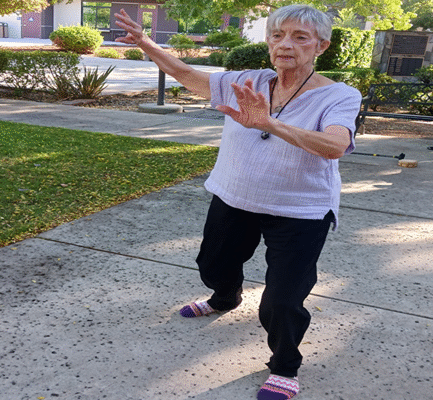
By Caroline Hatfield (Tai Chi/Qigong Instructor Certified by American Tai Chi & Qigong Association) Living With Autism and Schizophrenia I never expected ancient practices like Tai Chi to change my life so profoundly. Living with mild autism and schizophrenia meant facing psychosis, homelessness, and overwhelming disconnection. But this internal art gave me something I never …

Healthy Aging in 12 Weeks with Tai Chi

Introduction: Your 12-Week Path to Healthy Aging September is Healthy Aging Month — follow our free Healthy Aging in 12 Weeks with Tai Chi Guide here and finish right before the holiday season — with stronger balance, sharper focus, and calmer mind! With just 30 minutes a day of Tai Chi, by the holiday season, …

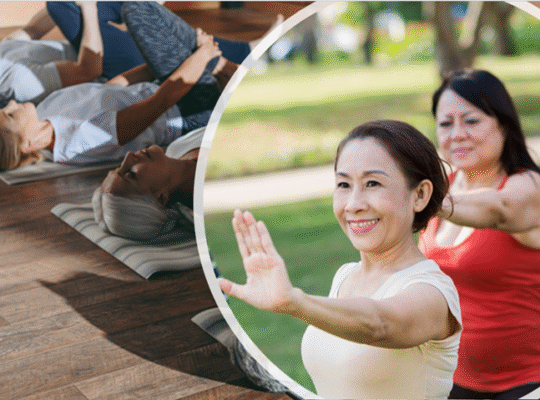
Mix, Match, and Move: Mind-Body Practices for Healthy Aging

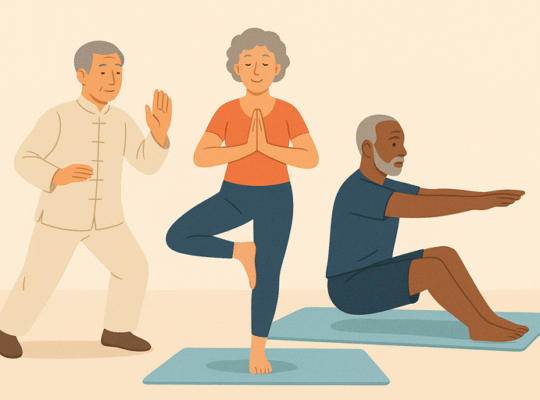
September is Healthy Aging Month, a great time to check in with your body, mind, and daily habits. If you already practice something like yoga, Tai Chi, Qigong, or regular walking, you’re on a wonderful path. But did you know that trying another one of these gentle practices can help you feel even better—mentally, physically, …

Pilates + Tai Chi for Knee Osteoarthritis: A Smart Pairing Backed by Science

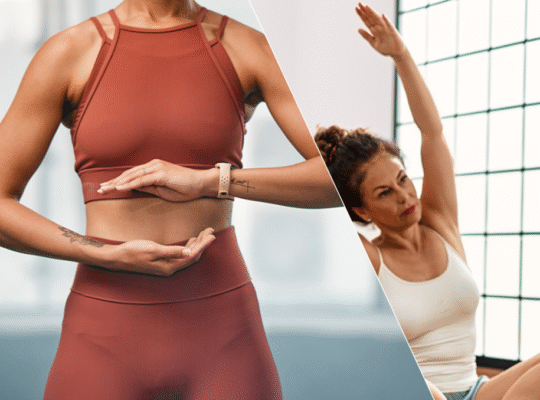
What the latest research says about how Pilates and Tai Chi support people with knee pain—and why Pilates professionals are perfectly positioned to teach both. A 2025 systematic review published in the Journal of Orthopaedic Surgery and Research compared the effects of ten different exercise modalities—including Pilates and Tai Chi—for people with knee osteoarthritis (KOA). …

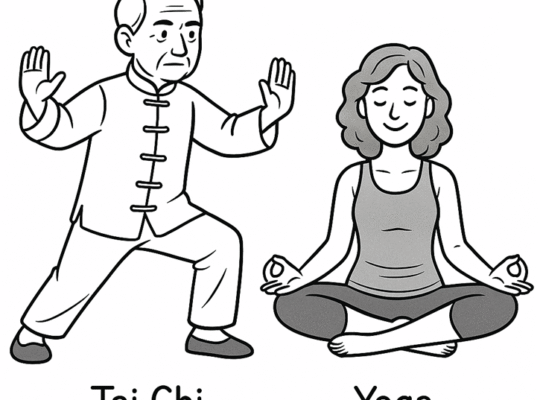
Yoga + Tai Chi for Parkinson’s: Powerful Tools for Movement Professionals

What recent clinical research reveals about the unique strengths of Yoga and Tai Chi—and why combining them can enhance your offerings. New clinical research offers compelling evidence that both Yoga and Tai Chi improve different aspects of movement and neurological function—and that combining them may offer broader benefits than either alone. 📊 What the Study …